

Articles
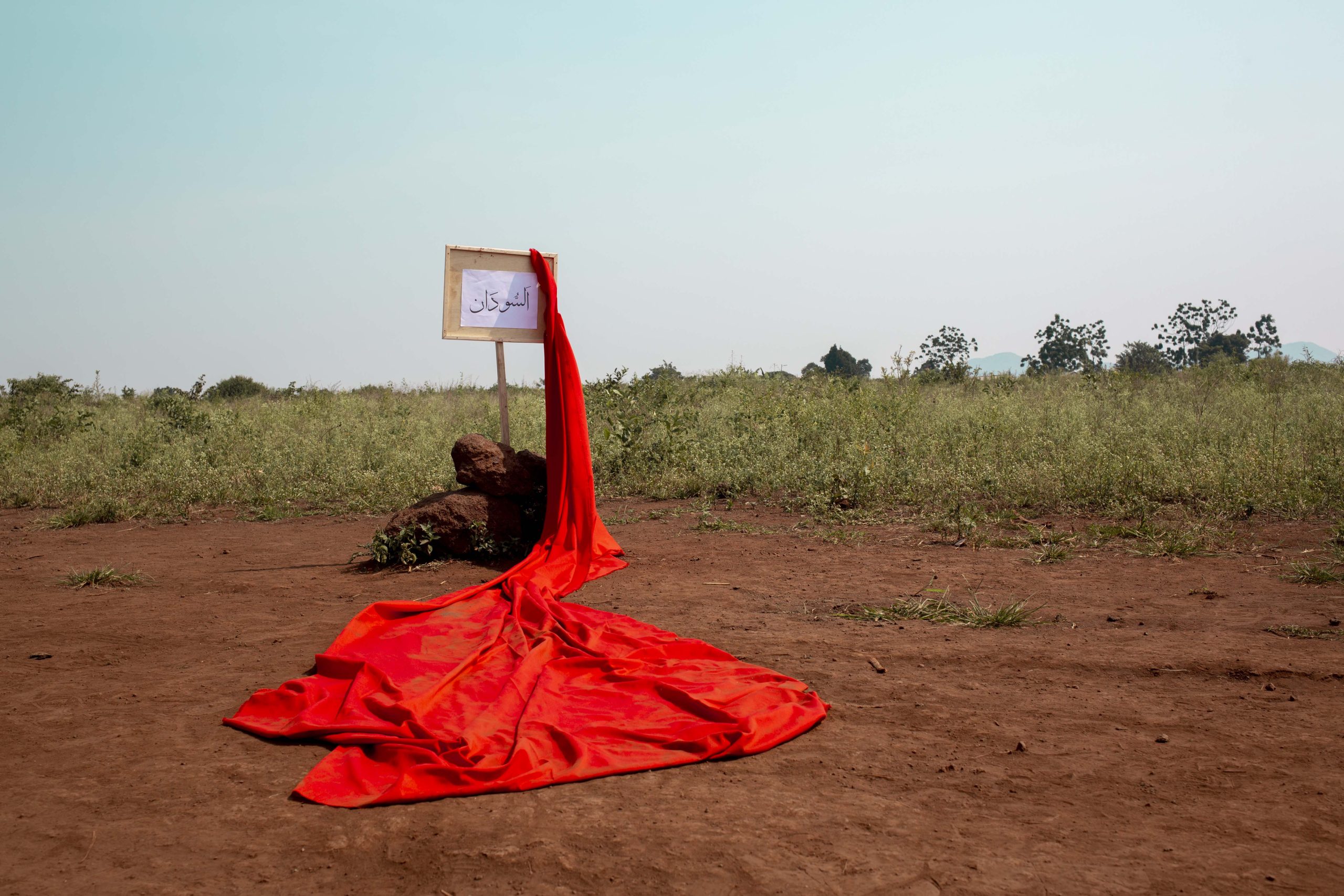
"Arts as a Bridges for Peace and Dialogue"
“Arts as a Bridges for Peace and Dialogue”
The civil war in April 2023 in Sudan between the army and the Rapid Support Forces has deepened the social fabric of that country. The civil war has intensified ethnicities and cultures and has promoted hate speech that divides Sudanese people from one another. Almost 13 million people are displaced related to the civil war, and 25.6 million people are suffering food insecurity, while 3 million women and girls are subject to sexual violence. There has never been a more urgent need for peace-building than now in order to reconnect and rebuild these fragmented communities.
In this volatile climate, the arts—in all their forms, from theater, film, and visual arts to even music videos and narrative podcasts—show their ability to open up dialogue, spread peace, and uplift the voices of women and children while opposing hate speech. Art Lab Sudan, a content production and youth training Art Lab , has been pursuing this mission from Uganda. The Sudanese diaspora is a creative and united community of storytellers. Initiatives like Ambassadors of Love, an innovative platform for dialogue between content creators, influencers, and audiences, focused on generating peace, compassion, and tolerance. A photo That Makes a Difference creatively uses photography as a device for advocacy to change social perceptions. And with these and other initiatives, Art Lab offers a powerful example of how art can build pathways for dialogue and peacebuilding.
Art Lab Sudan, explores how art can empower both the Sudanese diaspora in Uganda and communities within Sudan to share their experiences, rebuild trust, and challenge narratives that incite violence. It focuses on promoting messages of peace and containing hate speech amid the war..
This humanitarian disaster, with over 60,850 dead, new infrastructures destroyed, schools shut for 19 million children, and cultural heritage sites like the National Museum (as well as 6 others) and the Sudanese National Archives now threatened, has exacerbated division along ethnic lines, not helped by the fact that there have been ethnically motivated crimes. In this context, dialogue, which is part of community reconciliation, becomes critical to breaking the cycle of violence. Given that hate speech can isolate people, especially through social networks, the best way to combat hate speech is through unity. Women and children bear the brunt of the violence and are often recognized only as passive victims and not recognized as active builders for peace.
In Uganda, a refuge for thousands of Sudanese people, the diaspora community is active and creative, continuing deep ties to home. Art Lab Sudan is now a remarkable creative lifeline—offering workshops, screenings, and exhibitions to create solidarity and hope between the diaspora and local communities in Sudan wherever possible.
Art Lab takes advantage of the relative stability and infrastructure in Kampala to produce video and audio content of a professional standard while providing training and opportunities for Sudanese youth in exile. It helps to amplify voices and points of view that may be otherwise silenced by war. In doing so, Art Lab has begun to turn uprooting and dislocation into the fundamental idea of peace, art being a vital bridge between the emotional and the physical distance.
Art, by design, is not confrontational, and it stimulates safe spaces (for women and youth in exile or in Sudan) to share their experiences. This creates understanding and challenges violent narratives with shared stories of humanity. For example, in Uganda, Art Lab organizes workshops for people from different ethnic backgrounds to come together to create artistic works that reflect their common struggles (like the music video ” We’re All Brothers, which shows the pain of being displaced and longing for peace in solidarity with the philosophy of the Ambassadors of Love project).
These experiences help participants engage with the ways in which they see/displace themselves, take responsibility for their own narratives, reframe stereotypes, and build belonging.
Art Lab has also been involved in various civic initiatives that promote peace and denounce violence and hate speech while connecting the diaspora to communities in Sudan. These initiatives highlight how art can be used to connect people across space and time to support peace.
Women’s issues are intrinsic to the work of Art Lab in both Uganda and Sudan. Women, who frequently have issues of sexual violence and marginalization, are often denied the right to a platform to speak for themselves. To counter this, Art Lab has initiated focused workshops for refugee women to teach photography, music videos, and narrative podcasts—the various mediums of expression—for them to tell their stories. In the spirit of A Picture Can Make a Difference, a music video or photo story made by refugee women highlighting their reality can create a bond or solidarity between the diaspora and the community in Sudan.
These pieces emphasize women’s voices, exemplifying their capacity to be vital actors in peacebuilding. Art Lab has facilitated workshops like these in Sudan for a long time.
All of these examples give women confidence, change the way society thinks about women, and reaffirm their role in community dialogue. They also help to fight against hate speech and provide a remedy for the catastrophic damage caused by war.